



Probiotics and Prebiotics – What Is the Difference?
Probiotics and prebiotics are often mentioned together. The words sound almost identical, but they describe two very different things.
The simplest explanation is:
Probiotics add live microorganisms. Prebiotics are the food that nourishes the microbiome.
We read a clear and accessible guide from the International Scientific Association for Probiotics and Prebiotics, ISAPP. The organisation works to make microbiome research easier to understand and explains the difference between probiotics and prebiotics in a straightforward way.
Read more about prebiotics at ISAPP.
You can also read more there about the scientific definitions, different bacterial strains and documented effects.
The Microbiome Is a Living Ecosystem
The large intestine is home to a vast community of bacteria and other microorganisms. Together, they form an ecosystem known as the gut microbiome.
The microbiome helps process parts of our food that we cannot break down ourselves. When microorganisms ferment certain fibres and carbohydrates, they produce short-chain fatty acids and other substances that influence the environment in the gut.
Which bacteria thrive depends largely on what they have available to feed on.
That is why our diet matters so much to the microbiome.
What Are Probiotics?
Probiotics are live microorganisms added through certain foods or supplements.
A probiotic product may contain one or more selected bacterial strains. Different strains have different properties and are used for different purposes.
Probiotics can be valuable, for example when you want to add a particular bacterial strain or after a period when the microbiome has been under strain.
However, the bacteria we add are often temporary visitors. They may have an effect while the product is being used, but they do not necessarily remain once we stop taking it.
This helps explain why some people find that the effect of a probiotic disappears when they stop using it.
Many of the Bacteria Are Already There
When we hear about probiotics, it is easy to assume that the gut is missing the right bacteria and therefore needs to be replenished from the outside.
For most people, the picture is different.
Many of the bacterial groups we want to support are already present in the gut. The question is often not whether they are there, but how much space they occupy and how active they are.
Bacteria that receive the right nourishment can multiply and produce more of the substances that are important for the gut environment. Bacteria that do not receive the food they need find it harder to compete.
This is where prebiotics come in.
What Are Prebiotics?
Prebiotics can simply be described as food for the microbiome.
They are substances that are not fully broken down in the small intestine. Instead, they continue into the large intestine, where they are used by microorganisms.
When bacteria ferment prebiotic substances, they produce short-chain fatty acids, among other compounds. These are used within the gut and contribute to the interaction between the microbiome, the intestinal lining and the rest of the body.
Prebiotics therefore do not add new bacteria.
They nourish parts of the microbiome that are already present.
Adding Bacteria Is Not Enough
Probiotics and prebiotics should not be set against each other. But prebiotics provide the foundation.
The microbiome can be compared to a garden.
Probiotics are like planting new plants. Prebiotics are the soil, water and nutrients that allow the plants to thrive.
Adding new plants can be valuable. But if the garden does not receive enough nourishment, the results are unlikely to last.
In the same way, there is limited value in continually adding probiotic bacteria without also providing enough food for the existing microbiome.
If a probiotic product only seems to help while you are taking it, it may therefore be worth looking at how much prebiotic fibre and fermentable carbohydrate you are getting through your diet.
Probiotics can add bacteria. Prebiotics create the conditions the microbiome needs to grow and function.
Where Are Prebiotic Substances Found?
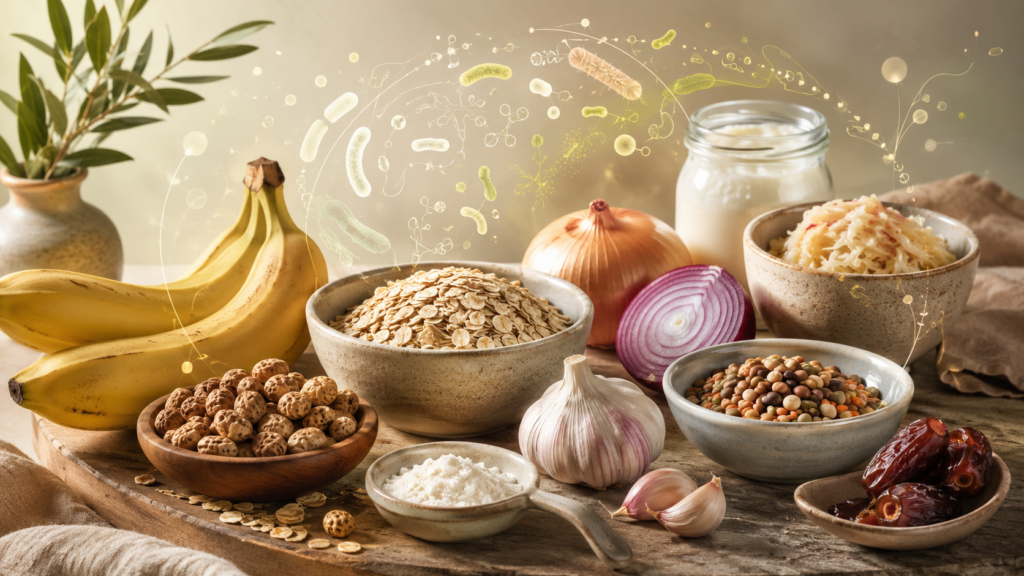
Prebiotic fibres and fermentable carbohydrates are found in many everyday foods, including:
- onions, garlic and leeks,
- pulses,
- oats and whole grains,
- bananas,
- asparagus and root vegetables,
- nuts and seeds.
Different foods give different microorganisms something to work with. Variety is therefore more important than trying to find one perfect source of fibre.
Resistant Starch – Food That Reaches the Large Intestine
Resistant starch is starch that is not fully broken down in the small intestine.
Some of it therefore continues into the large intestine, where it becomes available to the microbiome and is fermented by bacteria.
Resistant starch is found in foods including:
- pulses,
- unripe bananas,
- raw potatoes,
- and potatoes, rice or pasta that have been cooked and then cooled.
This makes resistant starch particularly interesting as part of the food supply for the microbiome.
Why GO100 Focuses on Feeding the Microbiome
GO100 does not contain added probiotic bacteria.
When we developed the bar, we chose instead to focus on giving the microbiome something to work with.
GO100 contains resistant starch from potato and fibre from ingredients including tiger nuts and dates. These provide different types of fibre and carbohydrates that can continue through digestion and become available to microorganisms in the large intestine.
The idea is simple:
We often do not need more bacterial species. We need to give the right bacteria better conditions in which to multiply.
What Did We Take Away?
The difference between probiotics and prebiotics is actually quite simple:
Probiotics are microorganisms. Prebiotics are the food they need.
Probiotics can be valuable when you want to add a specific bacterial strain.
But a robust microbiome is not built simply by continually adding new bacteria. It is built by regularly giving the existing ecosystem the right nourishment.
Frequently Asked Questions About Probiotics and Prebiotics
What Is the Simplest Difference Between Probiotics and Prebiotics?
Probiotics add live microorganisms. Prebiotics nourish parts of the microbiome that are already living in the gut.
Are the Beneficial Bacteria Already Present in the Gut?
Many of the bacterial groups associated with a well-functioning microbiome are already present in most people. How numerous and active they become is influenced partly by the nourishment that reaches the large intestine.
Do You Need to Keep Taking Probiotics Continuously?
Many probiotic bacteria remain in the gut only temporarily. Their influence may therefore decrease when you stop taking the product.
The long-term foundation is to regularly nourish the existing microbiome with prebiotic fibres and other fermentable carbohydrates.
Do You Need Both Probiotics and Prebiotics?
Not always. Probiotics can be useful for adding a specific bacterial strain, but the microbiome needs food regardless.
For most people, it is logical to begin with feeding the bacteria that are already present in the gut.
Are All Fibres Prebiotic?
No. Fibres have different properties and functions. Prebiotic substances are used by selected microorganisms and provide a health benefit as a result. Other fibres are also important for digestion.
Can Prebiotics Cause Gas?
Yes. Gas is produced naturally when bacteria ferment certain fibres and carbohydrates. If you are not used to a higher fibre intake, it can be sensible to start with a smaller amount and increase it gradually.
Does GO100 Contain Probiotics?
No. GO100 does not contain added live bacteria. Instead, the bar contains resistant starch and other fibres with prebiotic properties that nourish bacteria already present in the gut, helping beneficial groups to grow and become more active.
Let us know what you think
Leave a commentLatest articles

4 Simple Morning Habits to Give Your Gut a Good Start
Four simple morning habits that can give your gut a better start to the day — without complicated routines or the need for a perfect breakfast.
Read now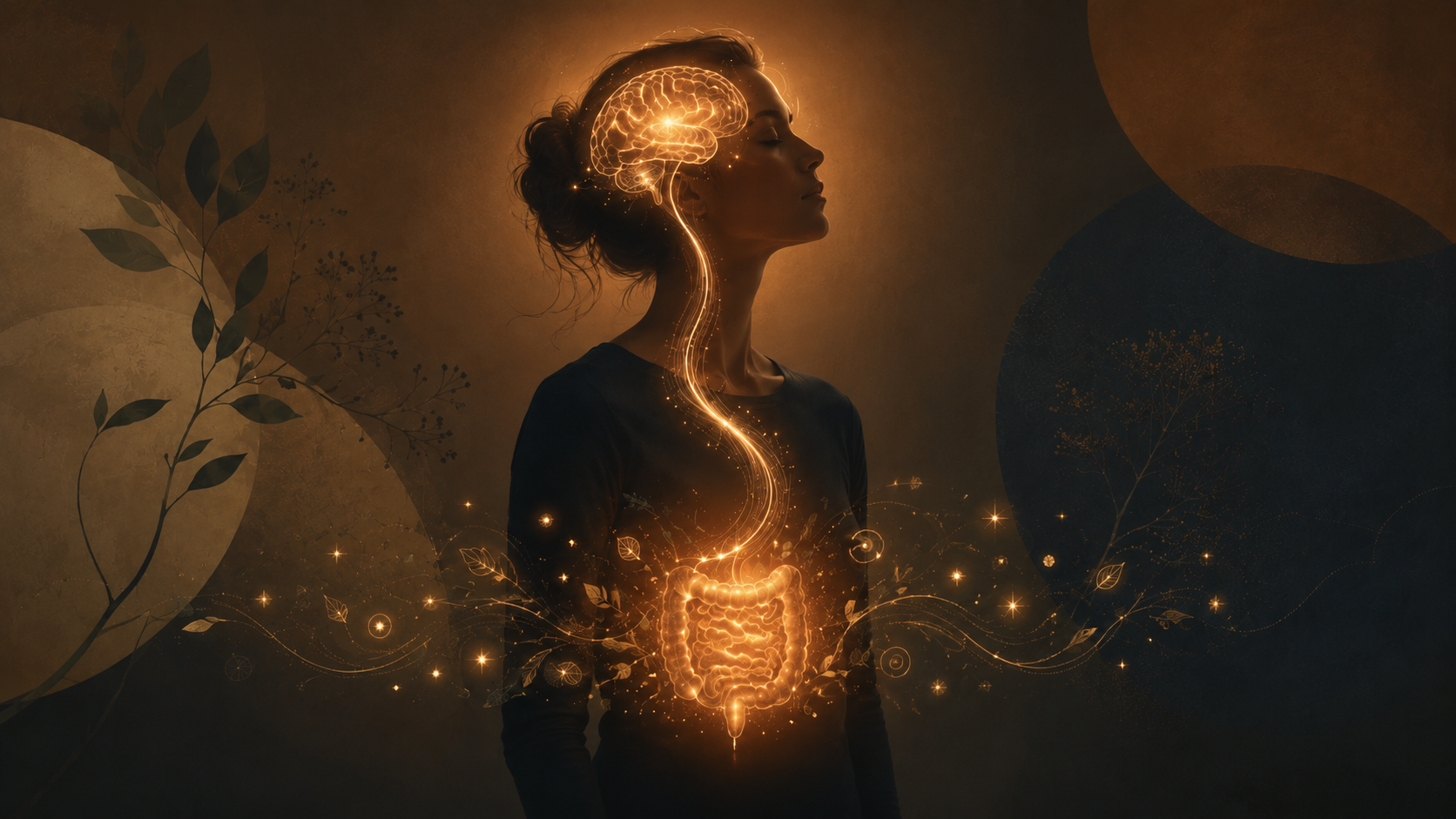
How the Brain and Gut Are Connected
The brain and gut communicate continuously. We explore the gut–brain axis, stress, the microbiome and why prebiotics are food for gut microorganisms.
Read now
How Are the Gut and the Immune System Connected?
The gut is more than a digestive organ. We explore the relationship between food, the microbiome and the immune system.
Read now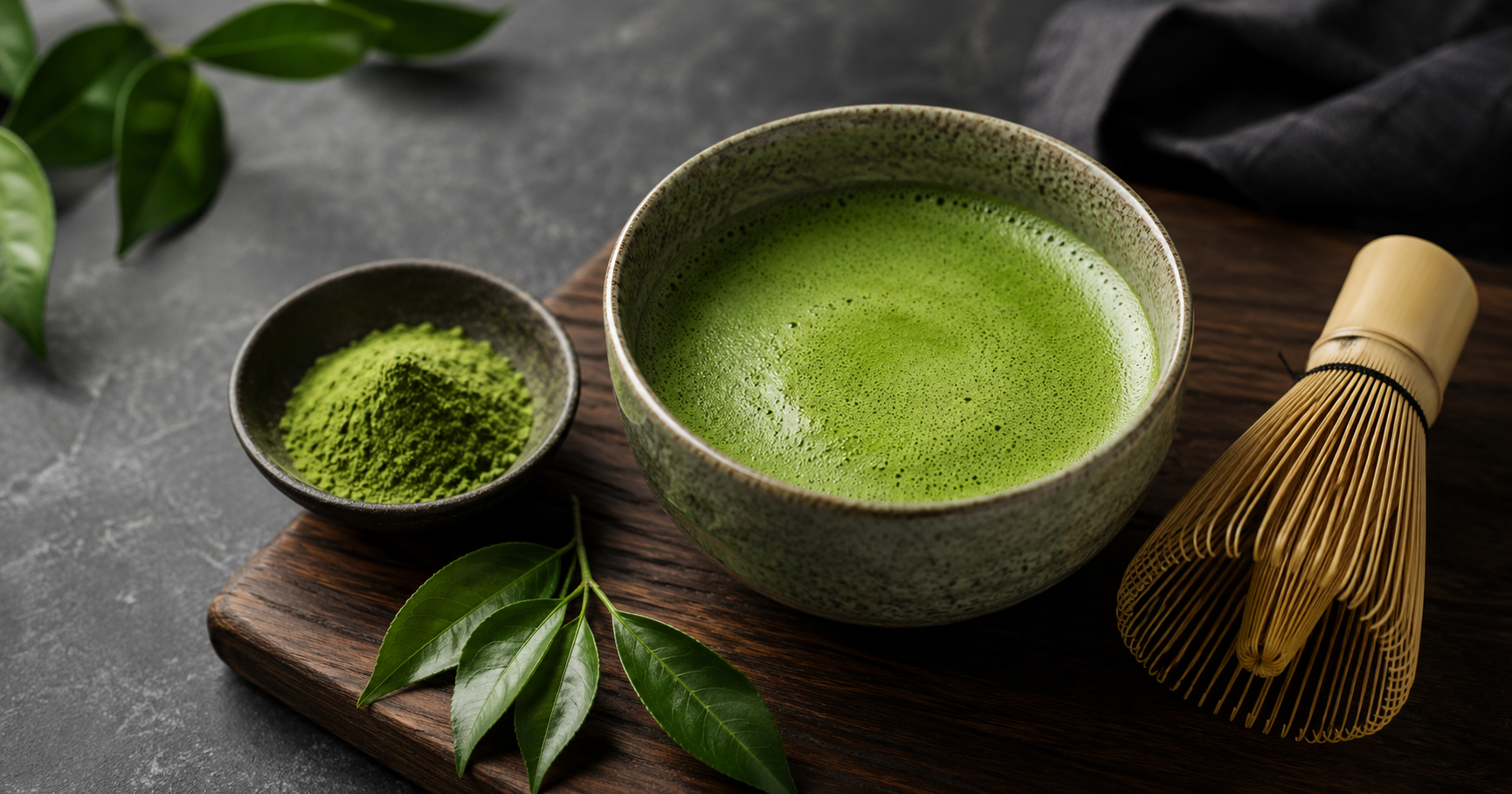
Five Things That Make Matcha Special
Matcha is more than a green powder. We explore its cultivation, whole tea leaf, L-theanine, caffeine, catechins and connection to the gut microbiome.
Read now