



How the Brain and Gut Are Connected
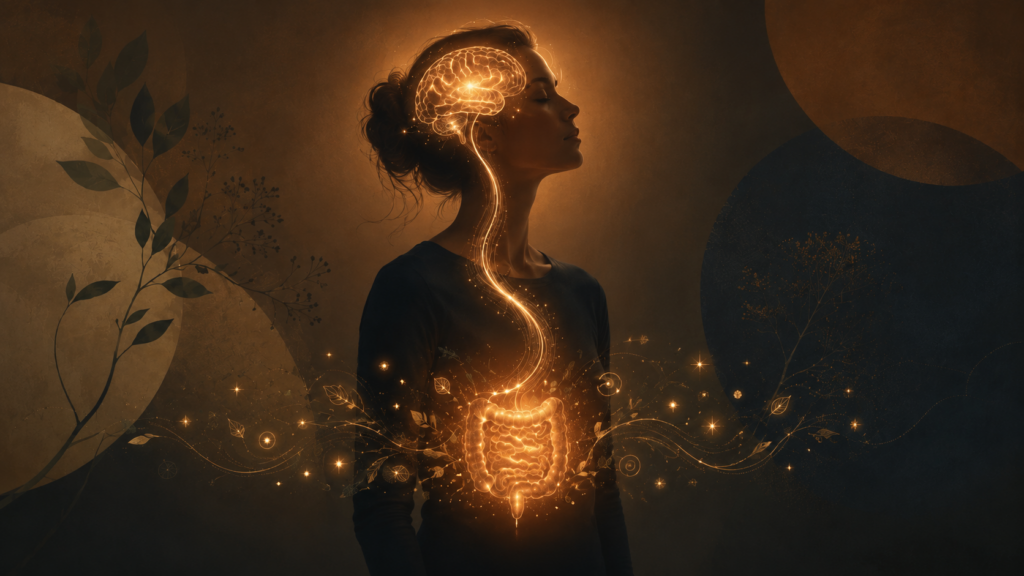
Have you ever felt butterflies in your stomach before something exciting – or suddenly needed to use the bathroom when you became nervous?
These are clear examples of how the brain and gut do not work independently of each other.
We recently read an interesting research review about the gut–brain axis: the network of signals that allows the brain, digestive system and gut microorganisms to communicate continuously with one another.
It is a rapidly growing field of research that gives us a broader view of the gut. It does not simply break down the food we eat. It also receives and sends signals that may influence how we feel and function.
Read the research review on the gut–brain axis.
Communication Works in Both Directions
It is easy to notice how the brain affects the gut.
Stress, anxiety and anticipation can alter bowel movements and make us more aware of signals from the digestive system. Some people develop looser stools when stressed. Others become constipated, lose their appetite or feel bloated.
But communication also works in the opposite direction.
The gut constantly sends information to the brain about nutrients, satiety and what is happening in the digestive system. Some of this communication takes place through nerves, while other signals travel through hormones, the immune system and substances produced in the gut.
This two-way communication system is known as the gut–brain axis.
The Vagus Nerve – a Direct Connection
An important part of this communication takes place through the vagus nerve.
It is a long nerve connecting the brain to several of the body’s organs, including the gastrointestinal tract. Information can travel in both directions along the vagus nerve.
The brain can, for example, influence digestion and bowel movements. At the same time, nerve endings in the gut can detect what is happening there and send information back to the brain.
The vagus nerve is, however, only one part of a much larger network.
The gastrointestinal tract also contains the enteric nervous system – an extensive network of nerve cells that can control many aspects of digestion without the brain having to manage every step.
This is sometimes called “the second brain”.
The Microbiome Is Also Part of the Conversation
The large intestine is home to a vast community of bacteria and other microorganisms. Together, they are known as the gut microbiota, while their collective genes and functions are often described as the gut microbiome.
When these microorganisms use fibres and other carbohydrates that we have not broken down ourselves, they produce various substances, including short-chain fatty acids.
These substances influence the environment in the gut and may take part in communication with both the nervous system and the immune system.
The microbiome can also influence how the body processes certain substances used in its signalling systems. This does not mean that one particular bacterium determines how we feel, but the microbiome is an important part of the interaction between food, the gut and the brain.
Prebiotics Are Food for the Microbiome
When people talk about gut health, the focus often falls on probiotics: live microorganisms added through certain foods or supplements.
But what the microorganisms already living in the gut have to feed on is at least as important.
Prebiotics can simply be described as food for the microbiome. They are substances that pass through the small intestine and are then used by selected microorganisms in the large intestine.
When bacteria ferment these substances, they produce short-chain fatty acids and other metabolites that influence the gut environment and may take part in communication with the nervous system and immune system.
Probiotics can be valuable in the right circumstances. But it is not enough to think only about which bacteria we add.
A living ecosystem also needs a regular supply of nourishment.
That is why varied sources of fibre and other fermentable carbohydrates provide an important foundation. Resistant starch is particularly interesting because it is not fully broken down in the small intestine. It can therefore continue into the large intestine and become food for the microbiome.
Why Can Stress Be Felt in the Gut?
When the body detects a threat or a stressful situation, calm digestion becomes less of a priority.
The stress response can affect bowel movements, the secretion of digestive fluids and how sensitive we are to signals from the gut. A sensation that would normally be barely noticeable may suddenly feel much stronger.
This does not mean that digestive problems are “all in your head”. The signals coming from the gut are real.
But the state of the nervous system can influence both how the gut functions and how strongly we experience what is happening there.
This helps explain why stress can play an important role in conditions such as a sensitive gut and IBS.
A Healthy Gut May Be More Resilient
Stress can affect bowel movements, sensitivity and intestinal barrier function. It can also alter the environment within the microbiome.
At the same time, communication works in both directions.
A healthy and robust microbiome cannot remove stress. But a stable gut environment may help the digestive system become more resilient when the body is placed under pressure.
It can be helpful to think of the microbiome as an ecosystem.
A diverse ecosystem that regularly receives the nourishment it needs is often better equipped to handle change than one that is already out of balance.
This may help explain why the same stressful situation causes noticeable digestive symptoms during some periods, but has far less effect during others.
Taking care of the gut is therefore not only about calming a reaction after stress has already taken hold. By regularly giving the microbiome good conditions, we may also help create a more resilient foundation.
Can the Gut Affect Our Mental Wellbeing?
Researchers have found associations between the gut microbiome and conditions including stress, anxiety and depression.
This does not mean that a particular bacterium, diet or product can treat mental health conditions through the gut. But the research shows that the brain, immune system and digestive system should not be viewed as completely separate parts of the body.
They influence one another continuously.
That is also what makes this field so interesting. What we eat can affect the microbiome, the microbiome can influence the gut environment, and signals from the gut can in turn reach the rest of the body.
What Can We Influence Ourselves?
There is no single method that “optimises” the gut–brain axis. Everyday habits can, however, create better conditions for both the gut and the microbiome.
This may include:
- eating a varied diet with different fibre-rich foods,
- providing the microbiome with prebiotic and fermentable carbohydrates,
- increasing fibre intake gradually if your gut is sensitive,
- being physically active regularly,
- prioritising sleep and recovery,
- finding ways to reduce long-term stress,
- and paying attention to how your own gut responds.
This does not require a perfect diet or complicated routines.
Small habits that work in everyday life are often a better place to start.
What Did We Take Away?
Perhaps the most interesting thing about the gut–brain axis is not the promise of one particular effect.
It is the understanding that the gut is part of a much larger system.
How we feel affects the gut. What happens in the gut can, in turn, send signals to the rest of the body. A continuous conversation takes place through nerves, hormones, the immune system and substances produced by gut microorganisms.
And for the microbiome to do its work, it needs food.
That is one reason why prebiotic fibres and resistant starch are so interesting. They are not only about adding something to the body, but also about nourishing the ecosystem that already lives in the gut.
It is also one of the reasons why we at GO100 believe the gut deserves more attention – not only when something feels wrong, but as part of how we function every day.
Frequently Asked Questions About the Brain, Gut and Microbiome
What Is the Gut–Brain Axis?
The gut–brain axis is the two-way communication system between the brain and the gastrointestinal tract. Signals are transmitted through the nervous system, hormones, the immune system and substances produced in the gut.
Why Does Stress Cause Stomach Pain?
Stress can change bowel movements and make the nervous system more sensitive to signals from the gut. For some people, this causes looser stools or abdominal pain, while others become constipated or bloated.
Can a Healthy Gut Make Us Less Sensitive to Stress?
Stress can still affect the gut, but a stable microbiome and well-functioning gut environment may help the digestive system become more resilient to pressure.
What Is the Difference Between Prebiotics and Probiotics?
Probiotics are live microorganisms that can provide a health benefit when the right strain is consumed in a sufficient amount.
Prebiotics are substances used as nourishment by microorganisms in the body, providing a health benefit as a result.
Put simply, probiotics add selected microorganisms, while prebiotics feed parts of the microbiome already living in the gut.
Are All Fibres Prebiotic?
No. Many fibres are beneficial for digestion, but to be classified as prebiotic they must be selectively used by microorganisms and provide a demonstrated health benefit.
What Is Resistant Starch?
Resistant starch is starch that is not fully broken down in the small intestine. Some of it can therefore reach the large intestine, where it is used and fermented by gut microorganisms.
Is the Gut Really the Body’s Second Brain?
The expression refers to the enteric nervous system, an extensive network of nerve cells in the gastrointestinal tract. It can independently control many aspects of digestion, but it is not literally a second brain.
Can Gut Bacteria Affect Mood?
Gut microorganisms can produce substances and influence signalling systems involved in communication with the brain. Research has found interesting associations with mood and stress, but these relationships are complex and influenced by many different factors.
Let us know what you think
Leave a commentLatest articles

4 Simple Morning Habits to Give Your Gut a Good Start
Four simple morning habits that can give your gut a better start to the day — without complicated routines or the need for a perfect breakfast.
Read now
How Are the Gut and the Immune System Connected?
The gut is more than a digestive organ. We explore the relationship between food, the microbiome and the immune system.
Read now
Five Things That Make Matcha Special
Matcha is more than a green powder. We explore its cultivation, whole tea leaf, L-theanine, caffeine, catechins and connection to the gut microbiome.
Read now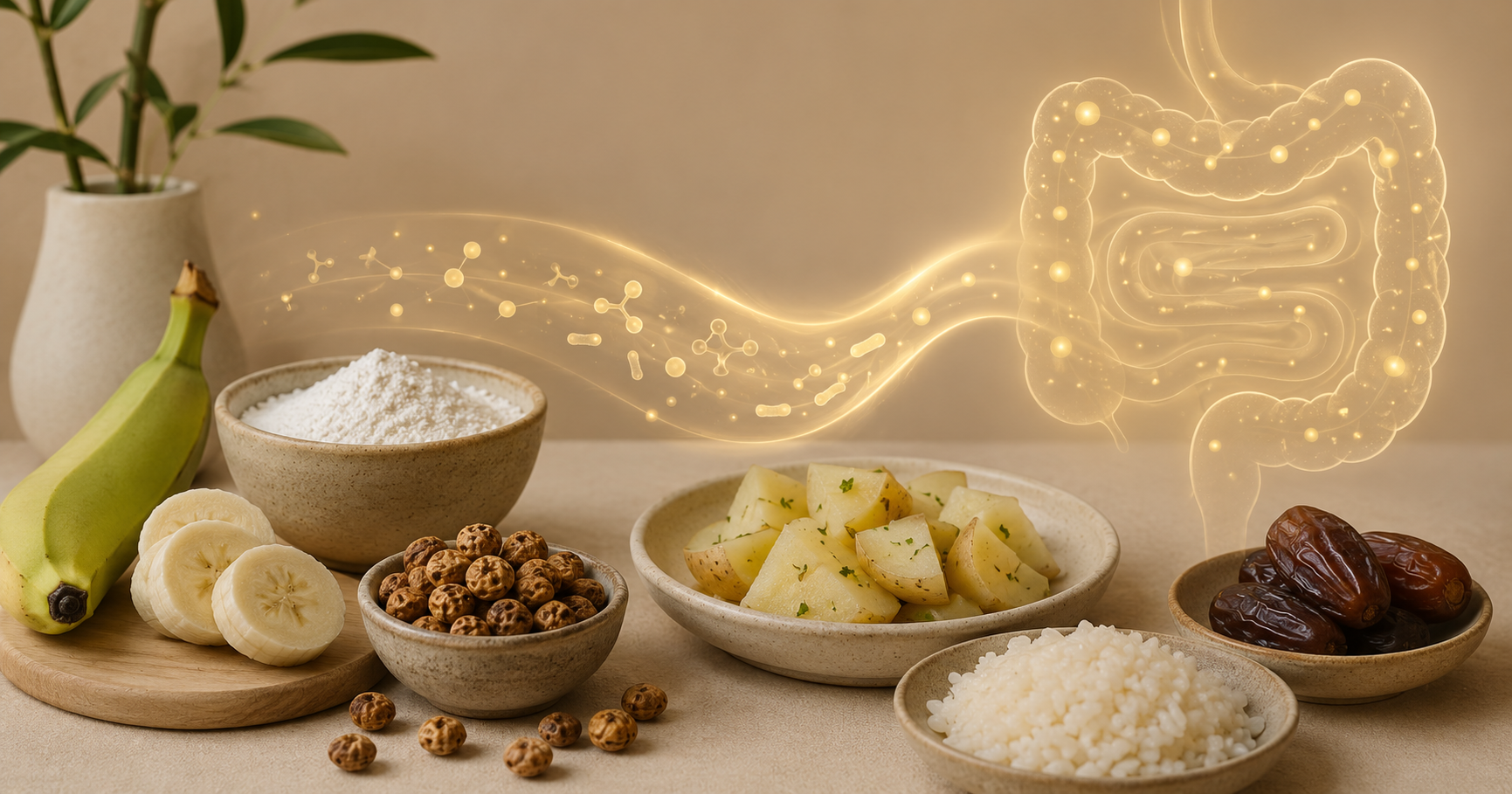
Resistant Starch Feeds Your Microbiome
Resistant starch follows a different route through the body. It feeds the microbiome, is partly converted into butyrate and provides fewer available calories. One GO100 bar contains 11 grams.
Read now