



Tiger Nuts Aren’t Nuts. Here’s Why We Chose Them for GO100
The name is slightly misleading.
A tiger nut is not a nut at all. It is a small edible tuber that grows underground. Also known as chufa or earth almond, it comes from the plant Cyperus esculentus.
Tiger nuts have been eaten for centuries, particularly in the Mediterranean region and parts of Africa. In Spain, they are perhaps best known as the main ingredient in the traditional drink horchata de chufa.
But it was not the history or the exotic name that made us choose tiger nuts for GO100.
It was what they actually contain.
We read an interesting research review about the composition of tiger nuts, including their starch, fibre and use in food. It describes an unusually versatile ingredient that naturally contains starch, dietary fibre and oils.
Read the research review about tiger nuts
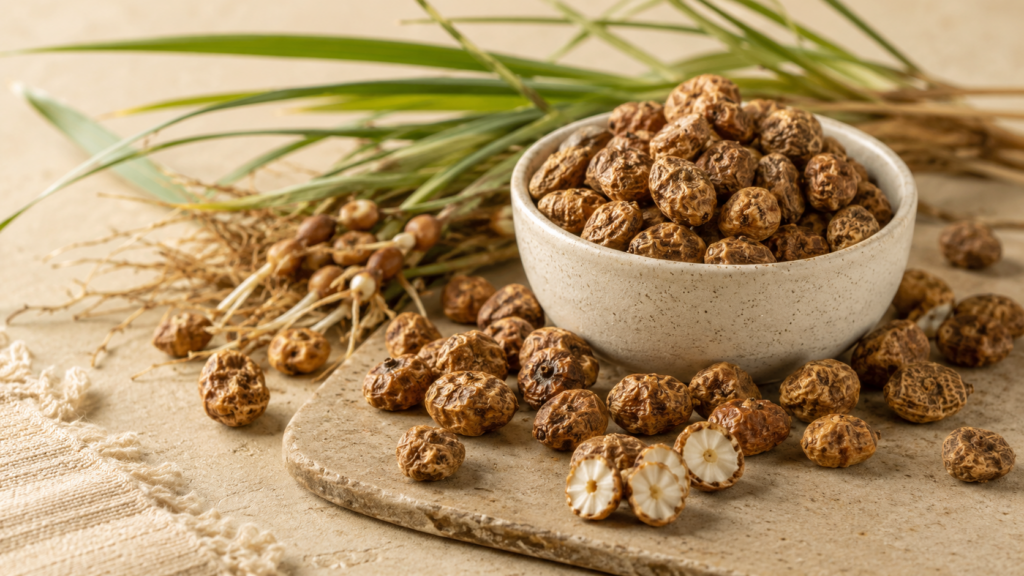
A Small Tuber with Several Functions
Many ingredients serve one main purpose in a recipe.
A sweet ingredient provides sweetness. An oil provides fat. A fibre supplement provides fibre.
Tiger nuts contribute several things at once.
They contain starch, different types of dietary fibre and natural fats. They also have a mild sweetness, a slightly nutty flavour and a texture that gives GO100 a natural crunch.
This made tiger nuts much more interesting to us than an ordinary flour or an isolated fibre supplement.
Resistant Starch and Other Fibres
Like potatoes, tiger nuts store energy in underground tubers.
Part of their starch is resistant starch. Rather than being fully broken down in the small intestine, it can continue into the large intestine and become available to the microbiome.
Tiger nuts also contribute other types of fibre. This gives the microbiome more than one kind of material to work with.
Studies of tiger nut starch show that the natural, uncooked starch can contain a significant proportion of resistant starch. Processing and heating affect how much remains resistant.
That was an important reason why we chose tiger nuts for GO100.
We did not simply want to add fibre to achieve a higher number on the nutrition label. We wanted to use ingredients that fit the basic idea behind the product: part of its contents should continue through the digestive system and become food for the microbiome.
Tiger Nuts Are Not Allergenic Nuts
Despite the name, tiger nuts are not related to almonds, hazelnuts, walnuts or other tree nuts.
They are also not included among the 14 allergens that must be specifically declared on food products in the EU.
This was particularly important when we developed GO100.
Our bars are made in a facility free from all 14 EU declarable allergens. We therefore wanted to choose ingredients that supported the same ambition.
Tiger nuts gave us something that can otherwise be difficult to combine: a mild, nutty flavour and natural crunch without using nuts.
A Flavour That Does Not Need to Be Hidden
Functional ingredients do not always have the most appealing flavour or texture.
Tiger nuts are an exception.
They have a naturally mild, slightly sweet and nutty flavour. In GO100, they work well with dates and the different flavour ingredients, while the small pieces add more texture to the bar.
That is an important part of product development.
An ingredient may look interesting on paper, but it also has to work in something people will enjoy eating every day. Tiger nuts contribute both function and enjoyment.
Why GO100 Contains Tiger Nuts
When choosing ingredients for GO100, we were not looking for whatever was cheapest or most commonly used in other bars.
We looked for ingredients that could perform several functions at once.
We chose tiger nuts because they:
- contribute resistant starch,
- contain other natural fibres,
- provide flavour and crunch,
- and are not among the EU’s 14 declarable allergens.
Together with raw potato starch, they contribute to the 11 grams of resistant starch in every GO100 bar.
This is a good example of how we approached the entire product development process. Every ingredient should have a reason to be there.
Tiger nuts are not included because the name sounds interesting.
They are included because they help us create the bar we set out to make.
Frequently Asked Questions About Tiger Nuts
What Are Tiger Nuts?
Tiger nuts, chufa and earth almonds are different names for small edible tubers from the plant Cyperus esculentus. They grow underground and naturally contain starch, fibre and oils.
Are Tiger Nuts Actually Nuts?
No. Despite the name, tiger nuts are tubers, not nuts. They are not among the 14 allergens that must be specifically declared on food products in the EU.
Do Tiger Nuts Contain Resistant Starch?
Yes. Tiger nuts contain resistant starch as well as other types of dietary fibre. The structure of the natural starch is affected by how the ingredient is processed and heated.
What Do Tiger Nuts Taste Like?
Tiger nuts have a mild, naturally sweet and slightly nutty flavour. They are used in the traditional drink horchata, as well as in flour, snacks and other foods.
Why Does GO100 Contain Tiger Nuts?
We chose tiger nuts for their combination of resistant starch, other fibres, mild flavour and natural crunch. They also fit our production process, which is free from the EU’s 14 declarable allergens.
Let us know what you think
Leave a commentLatest articles

4 Simple Morning Habits to Give Your Gut a Good Start
Four simple morning habits that can give your gut a better start to the day — without complicated routines or the need for a perfect breakfast.
Read now
How the Brain and Gut Are Connected
The brain and gut communicate continuously. We explore the gut–brain axis, stress, the microbiome and why prebiotics are food for gut microorganisms.
Read now
How Are the Gut and the Immune System Connected?
The gut is more than a digestive organ. We explore the relationship between food, the microbiome and the immune system.
Read now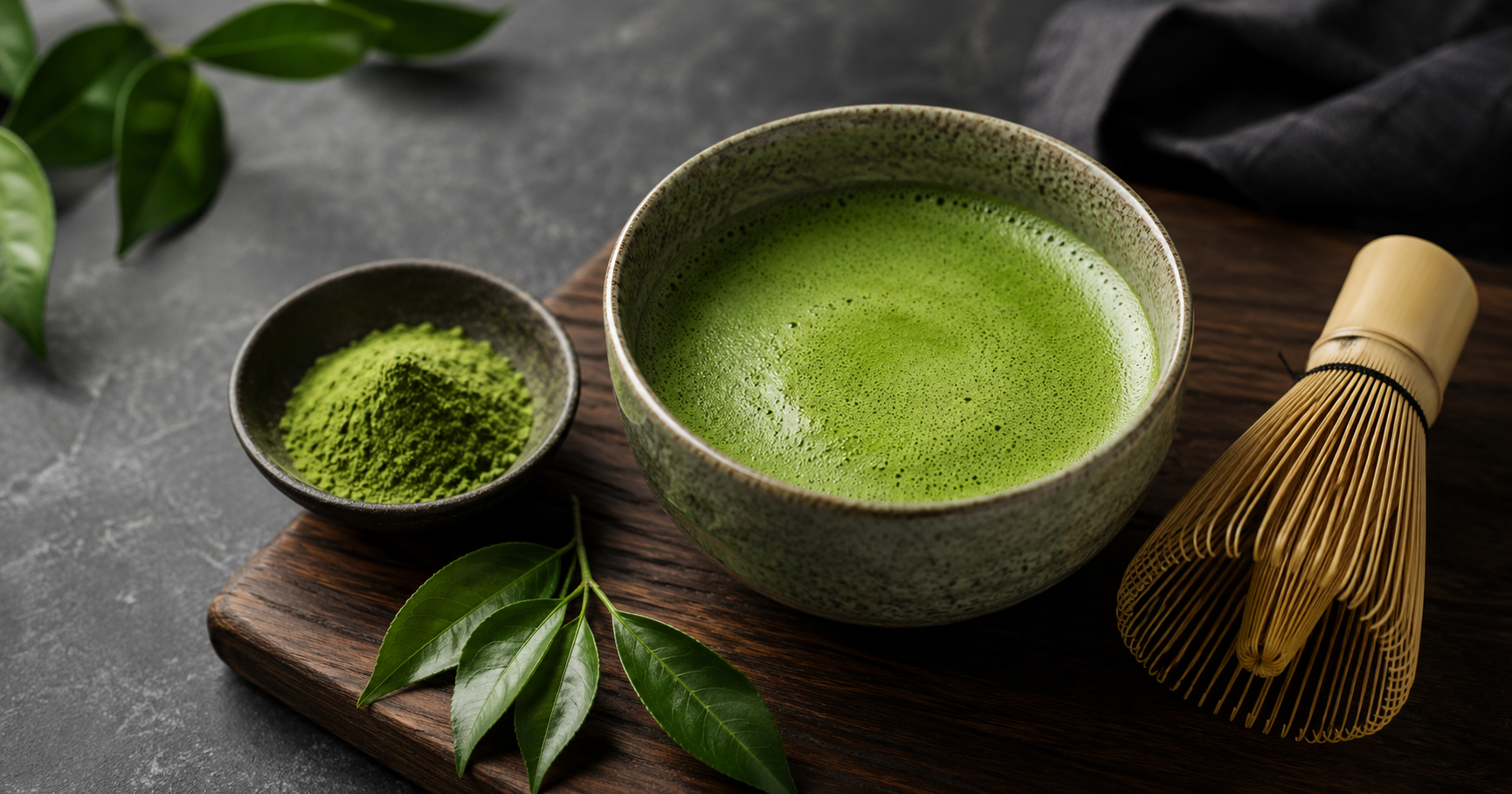
Five Things That Make Matcha Special
Matcha is more than a green powder. We explore its cultivation, whole tea leaf, L-theanine, caffeine, catechins and connection to the gut microbiome.
Read now